Temperate Sundew Winter Dormancy in Ireland: Reading the Hibernaculum
A species-led guide to recognising the winter resting bud of cultivated temperate sundews, adjusting water carefully, and avoiding a one-size-fits-all Irish winter routine.
By Bog & Bite · Published 2 November 2026
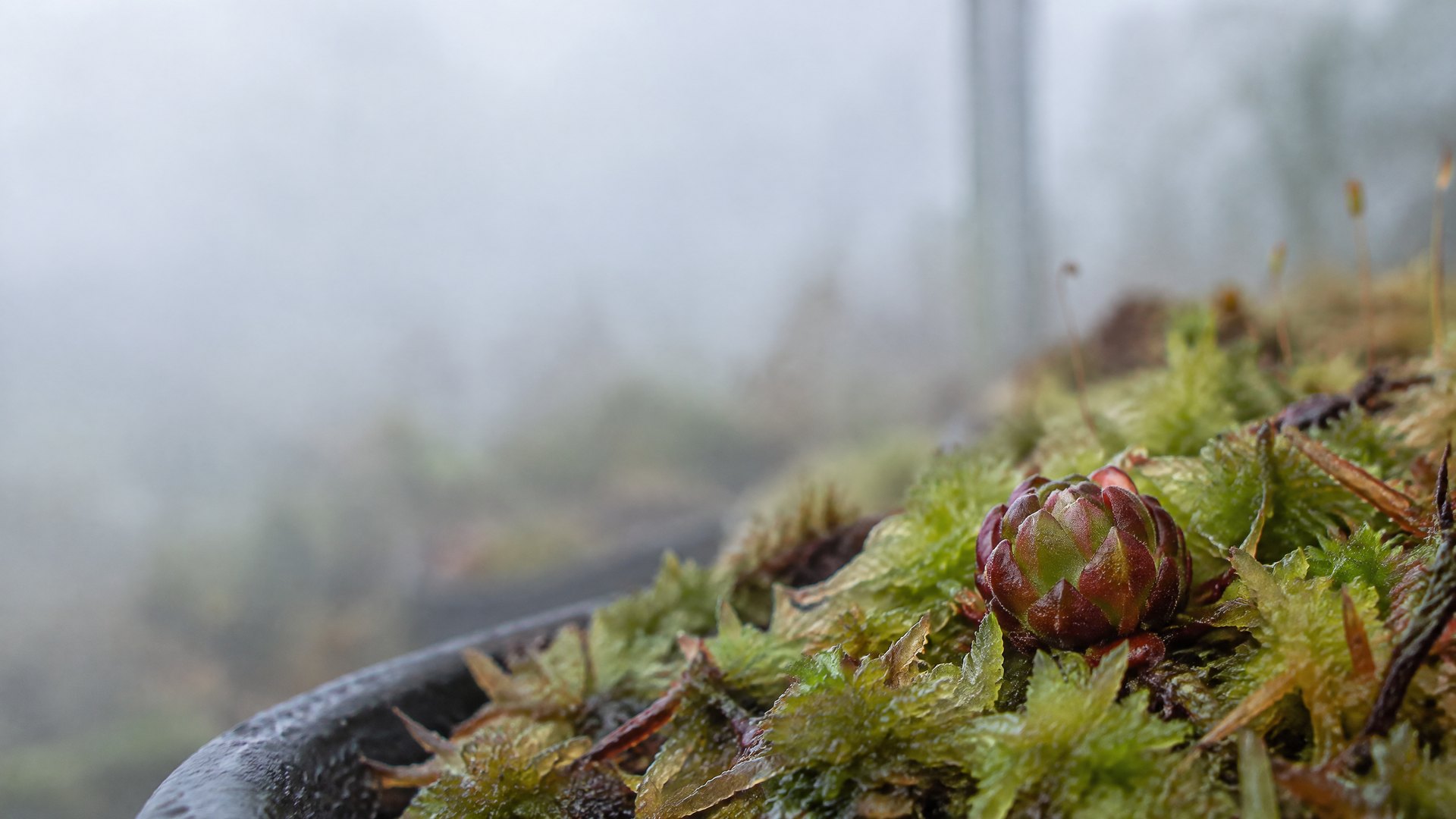
When a cultivated temperate sundew shrinks to a tiny, tight centre in late autumn, it can look as though something has gone wrong. Often, the change is a normal winter resting phase. The name for that compact bud is a hibernaculum. It is not an invitation to treat every Drosera as dormant, and it is not proof that every brown leaf is harmless. The first job is to identify the plant in front of you.
This guide is for cultivated cold-temperate sundews such as Drosera rotundifolia, D. anglica and temperate forms of D. intermedia. It does not describe a winter routine for Cape sundews, Mexican butterworts, tropical pitcher plants or every plant sold simply as a “sundew”. Begin with Sundews in Ireland if you need to separate a warm-growing windowsill plant from a temperate outdoor one.
Ireland’s mild, wet winters make species identity especially important. A small pot on an exposed patio, a sheltered cold frame and a bright warm room can all behave very differently. The useful approach is to observe the named plant, keep its winter conditions cool and stable, and avoid trying to force it through a summer watering pattern.
Start by naming the sundew and its origin
The International Carnivorous Plant Society (ICPS) treats cold-temperate sundews as a distinct group. It identifies D. rotundifolia and D. anglica as plants that need a definite winter season for long-term cultivation. It also notes that European and North American forms of D. intermedia form hibernacula, while other forms of that species may not. ICPS cold-temperate Drosera guide
That distinction matters more than a common name. A label saying D. intermedia does not always describe the same seasonal history or growing expectations. Keep the original plant label if you have it. If the source records a location or form, add it to your own tag rather than relying on memory next winter.
The ICPS recommends choosing plants from a climate similar to your own and growing cold-temperate material outdoors where possible. That is a useful direction, not a reason to expose a small light pot to every coastal gale or to leave it in a place where the medium can alternate between drying and waterlogging. Choose a stable, contained position that suits the plant and your local weather.
What a hibernaculum looks like
A hibernaculum is a compact resting bud. In a temperate sundew, the broad or elongated summer leaves reduce and draw into a much smaller centre. Carnivorous Plant Nursery describes it as a fuzzy button-like cluster with tightly curled leaves; individual species and plants can look more or less hairy or coloured. Specialist dormancy guide
The Irish Peatland Conservation Council describes the same broad seasonal pattern for Irish bog sundews: their leaves die back in winter and form a tight resting bud. Irish peatland guide This makes the compact centre itself a better sign to watch than whether each older leaf still looks attractive.
Remove only material that is fully dead and lifts away without disturbing the living centre. Do not pull a hibernaculum apart to inspect it. A labelled photograph from above is a calmer way to track its size and condition through the season.
Why the winter rest is not a failure
Temperate sundews use changing season as part of their growth cycle. Shorter days and cooler conditions prompt the move away from open summer leaves. The ICPS notes that D. rotundifolia, D. anglica and temperate D. intermedia require a definite winter season over the long term.
This is why a bright, warm indoor shelf is not a neutral holding place for an identified cold-temperate sundew. It can blur the seasonal cues the plant expects. By contrast, forcing a Cape sundew into a cold dormant setup because it shares the genus name creates the opposite mismatch. For Cape sundew care, see How to Propagate Cape Sundews from Leaf Cuttings and the Sundew plant hub, which distinguish warm-growing and temperate groups.
A dormant hibernaculum is not a dead plant, but do not use dormancy as an explanation for every problem. A soft centre, foul smell, persistent collapse or medium that never drains properly deserves a closer look. Change one likely cause at a time rather than repotting, moving, feeding and treating the plant all at once.
Give the plant a cool, protected winter position
Cold-temperate sundews are best considered outdoor or cool-protected plants, not permanent heated-room plants. The ICPS highlights the value of outdoor culture for material from a similar climate. In Ireland, a sheltered outdoor container, cold frame or other cool protected space may be more appropriate than a centrally heated room, depending on your plant’s identity, pot size and exposure.
The Royal Horticultural Society (RHS) notes that hardy carnivorous plants may benefit from protection during very cold spells. RHS growing guide Use the forecast and the container’s exposure as your guide. A large stable container changes temperature and moisture more gradually than a small nursery pot. A position sheltered from damaging wind can make a plant easier to monitor without turning it into a warm houseplant.
Do not collect a temperate sundew from a bog to make a winter experiment. The Irish Peatland Conservation Council identifies the round-leaved, intermediate and long-leaved sundews as peatland plants, and it describes pressure on those habitats. Keep wild plants in place and grow clearly labelled, cultivated stock in a contained setting.
Reduce water without letting the medium dry out
The water routine for active summer growth is not automatically the winter routine. The ICPS caption for a D. rotundifolia hibernaculum advises keeping the plant cool and just damp while resting. The RHS similarly advises watering during winter when the compost starts to dry and discarding excess water rather than allowing the container to stand continuously in water.
That does not translate to a fixed depth of water or an exact watering interval. Check the surface and the pot weight in your own conditions. Rain, wind, pot material and whether the plant is under cover all affect how quickly a container changes. The aim is an evenly damp specialist carnivorous-plant medium, not a dry pot and not a permanently flooded one.
Use the same suitable low-mineral water source you trust for the rest of your collection. If that needs a reset, read the complete guide to water for carnivorous plants and rainwater for carnivorous plants. Do not compensate for a cool resting plant by adding fertiliser to the medium. The RHS notes that carnivorous plants originate in low-nutrient conditions and do not need added fertiliser.
What to do through a wet Irish winter
Check the plant periodically, especially after storms, a hard frost or an extended dry spell under cover. You are looking for a firm compact centre, a medium that remains damp rather than stagnant, and a pot that has not shifted or filled with debris. Remove weeds early; a small hibernaculum can be easily shaded or crowded.
Avoid frequent handling. If the pot is being battered by wind or water is pooling around it, improve the position or drainage of the outer container rather than repeatedly lifting the plant. If extreme cold is forecast, follow the RHS principle of protecting hardy plants during very cold spells, while keeping the plant in a cool condition rather than bringing it into a heated living space.
A clear tag and a few dated observations make winter care more useful next year. Note the plant name, where it was placed, whether it was covered from prolonged rain, and when you first noticed the compact bud. This record helps distinguish an expected seasonal pattern from a genuine change in plant condition.
Let spring growth set the next step
Do not use a calendar date to decide that dormancy must be over. In spring, the hibernaculum will give the more useful signal: it starts to extend, and new leaves begin to open. As active growth becomes clear, return gradually to the watering pattern appropriate for the species and its conditions.
Spring is also a sensible time to assess whether the pot has become crowded or the medium has degraded. The ICPS notes that cold-temperate sundews may appreciate repotting as they begin to grow, so the base of the hibernaculum sits in the medium. Repot only when there is a clear reason and handle the plant gently. The sundew leaf-cutting guide covers a different propagation route for suitable larger-leaved sundews; do not assume that a dormant temperate plant should be divided or cut just because it is small.
Common winter mix-ups to avoid
- Using one winter plan for every sundew: a Cape sundew and a hibernaculum-forming temperate species are not interchangeable.
- Calling a compact bud dead: inspect the centre and the growing conditions before discarding a dormant plant.
- Leaving a pot in a deep tray by default: reduce excess winter water and keep the medium just damp.
- Letting a covered pot dry out: rain exclusion can change the moisture balance quickly.
- Moving a cold-temperate plant into a warm room for convenience: the goal is a cool, stable rest.
- Disturbing the centre to check for life: a photograph and a careful observation are safer than pulling the bud apart.
- Trying to solve a slow winter plant with fertiliser: low-nutrient medium and suitable water remain the foundation.
A calm hibernaculum checklist
- Confirm that the plant is a cold-temperate Drosera before changing winter care.
- Keep its label, source notes and a record of its position.
- Expect a compact resting bud rather than open summer leaves.
- Choose a cool, protected, contained growing position.
- Keep the specialist medium just damp and discard excess standing water in winter.
- Watch for storm damage, drying under cover, weeds and a soft or decaying centre.
- Let visible spring growth, not a fixed date, guide the gradual return to active watering.
Continue learning
- Sundews in Ireland — Match the species to its wider care routine before you plan winter conditions.
- How to Grow Carnivorous Plants Indoors During an Irish Winter — Compare cool-temperate plant care with non-dormant indoor species.
- The Complete Guide to Water — Review the water basics behind a stable seasonal routine.
- Rainwater for Carnivorous Plants — Plan a dependable low-mineral water source for containers.
Research & sources
These references support the practical and conservation notes on this page.
- International Carnivorous Plant Society — Growing cold temperate Drosera: Specialist guidance on hibernaculum-forming temperate Drosera, climate matching, outdoor culture, winter rest and keeping dormant plants cool and just damp.
- Royal Horticultural Society — How to grow carnivorous plants: Specialist low-nutrient compost, rainwater, reduced winter watering and cold-spell protection context for cultivated carnivorous plants.
- Carnivorous Plant Nursery — Dormancy in Carnivorous Plants: Specialist grower description of winter hibernacula in temperate sundews and the seasonal cues behind dormancy.
- Irish Peatland Conservation Council — Carnivorous Plants: Killers in the Bog: Irish context for native bog sundews, their tight winter resting buds and the importance of peatland habitats.
Frequently Asked Questions
Do all sundews need a winter dormancy?
No. The winter needs of Drosera vary by species and origin. The International Carnivorous Plant Society identifies cold-temperate forms of Drosera rotundifolia, D. anglica and European or North American D. intermedia as hibernaculum-forming plants, while common Cape sundews are handled differently.
What is a sundew hibernaculum?
It is a compact winter resting bud. Specialist guidance describes it as a tight button-like cluster of short, curled leaves. It can look very different from the open, sticky summer foliage of a temperate sundew.
Should a temperate sundew sit in a deep water tray all winter?
Winter water management should be reduced and observed rather than copied from summer. The RHS advises watering when the compost begins to dry and discarding excess water in winter; the ICPS advises keeping hibernaculum-forming sundews cool and just damp.
Can I use this advice for a Cape sundew?
No. This guide is for identified temperate sundews. Drosera capensis is a commonly cultivated subtropical sundew and should not be forced into the same cold hibernaculum routine.